If you want more elbow room without feeling cut off from the rest of Southeast Michigan, Fowlerville may be worth a closer look. For many buyers, the challenge is finding a place that feels grounded and practical while still keeping daily travel manageable. Fowlerville offers a mix of small-town character, local amenities, and strong access to I-96. Let’s take a closer look at what living here can feel like.
Why Fowlerville Stands Out
Fowlerville is a village in northwest Livingston County within Handy Township. According to the county profile, it had a 2020 Census population of 2,951, with 1,334 housing units and an average household size of 2.34.
That smaller scale is part of the appeal. The village has an active civic identity along Grand River Avenue, and its layout reflects a long-established community rather than a newer suburban development pattern.
Housing in Fowlerville
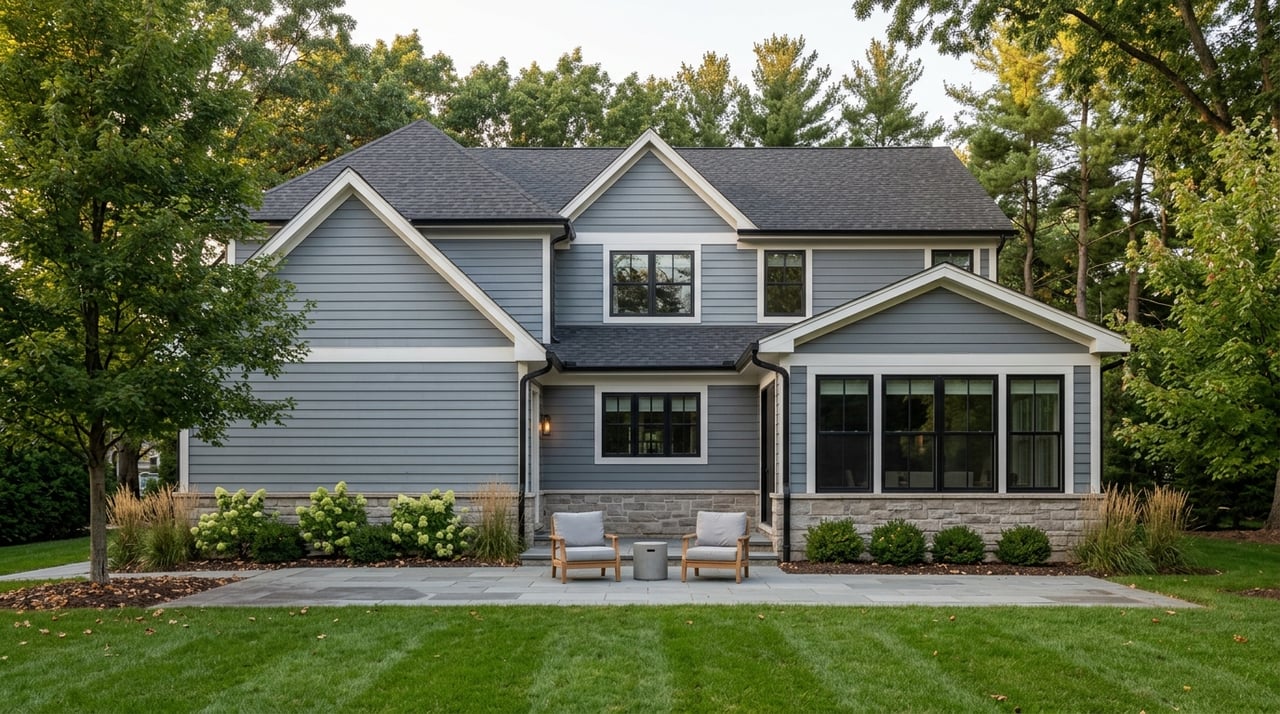
Fowlerville’s housing stock has roots in traditional village neighborhoods. The village master plan notes that more than 56% of homes were single-family detached, and many central lots near downtown measured about 66 by 130 feet, which is roughly one-fifth of an acre.
That detail matters if you are comparing Fowlerville to newer suburban areas. In the village core, you may notice a more compact layout, a traditional street pattern, and older homes and buildings that reflect the area’s longer history.
A Mix of Home Types
Fowlerville is not limited to one style of housing. The master plan identifies duplexes, townhouse or attached housing, condos, multi-unit apartments, and manufactured housing as part of the local mix.
The plan also notes two manufactured-home communities in the village. For buyers, that means you may find a wider range of price points, maintenance levels, and living styles than you might expect in a smaller community.
Older Homes and Established Streets
Because Fowlerville has not seen the same level of recent new development as some larger Livingston County communities, much of the housing stock is older. That gives the village a more established feel.
If you enjoy mature neighborhoods, a recognizable downtown area, and homes with a sense of place, that can be a real advantage. If your priority is brand-new construction or large master-planned subdivisions, your search may feel different here.
Community Amenities and Daily Life
One of Fowlerville’s strengths is that it offers more day-to-day community resources than some buyers expect from a village of its size. Village services include water and sewer utilities, along with police and fire protection.
You also have a meaningful park system, public library resources, and community events that help keep local life active throughout the year.
Parks and Outdoor Space
Fowlerville Community Park is about 30 acres. According to the village master plan, it includes soccer fields, ball diamonds, shelters, playgrounds, a garden, a war memorial, and the Rotary Mile paved path.
Centennial Park adds basketball courts, a track, playground equipment, and restrooms. If you like having public outdoor space close to home, these amenities can make everyday routines easier and more enjoyable.
Library and Community Resources
The Fowlerville District Library adds another layer to village life. Its current website highlights books, DVDs, audiobooks, digital downloads, a Library of Things, programs for all ages, 24-hour WiFi access, meeting room space, book clubs, a seed library, and a local history room.
For buyers who want more than just a home address, that kind of resource base can matter. It suggests a community where local services support both convenience and connection.
Events and Local Traditions
Fowlerville also benefits from long-running local institutions. The Fowlerville Family Fair describes itself as one of Michigan’s oldest fairs and highlights deep ties to agriculture and 4-H.
The Fowlerville Business Association supports monthly meetings, after-hours networking, an annual Expo and Fun Fest, and Christmas in the ’Ville celebrations and parade. The village master plan also identifies the Fowlerville Senior Center and Livingston Historical Centre as part of the community fabric.
Access and Commuting
For many buyers, Fowlerville’s biggest practical advantage is location. The village master plan says the I-96 and Grand Avenue interchange makes travel to and from Fowlerville convenient, and it identifies Grand Avenue and Grand River Avenue as the main regional corridors.
The same plan says Fowlerville is centrally located between Detroit, Lansing, Ann Arbor, and Flint. That helps explain why the village can appeal to buyers who want a smaller-town setting without giving up broader regional access.
The Tradeoff to Know
There is one important commuting caveat. The master plan notes recurring peak-hour congestion on Grand Avenue, especially in the morning when school-bus traffic overlaps with commuter traffic near the I-96 interchange.
In simple terms, access is a real strength, but the road network is still compact. If you are considering a move here, it helps to think about your likely drive times and when you would be using the main interchange.
Schools in Fowlerville
Fowlerville Community Schools is another key part of the local picture. The village master plan says all district schools are grouped on one campus near Grand Avenue and Sharpe Road, with shared athletic facilities and open space.
The district’s current website says it is participating in Schools of Choice for the 2026 to 2027 school year with unlimited openings for all grades K through 12. If schools are part of your home search, that is one of several local details worth reviewing as you narrow your options.
What Living in Fowlerville Feels Like
Fowlerville can be a strong fit if you want a place that feels established, connected, and community-oriented. The village combines a traditional core, varied housing choices, local events, parks, library resources, and reliable highway access.
It is not trying to be a fast-growing master-planned suburb. Instead, it offers a different kind of value: space to live, a recognizable community center, and access that keeps you connected to the rest of the region.
For some buyers, that balance is exactly the point. You can enjoy a smaller-scale setting while still staying within reach of larger job centers and destinations across Southeast Michigan.
If you are weighing Fowlerville against other Livingston County or nearby Michigan communities, local guidance can make the comparison much clearer. Karen Nouhan can help you understand how Fowlerville fits your goals, lifestyle, and budget.
FAQs
What is Fowlerville, Michigan known for?
- Fowlerville is known for its traditional village setting, community events, local parks, library resources, and convenient access to I-96 in northwest Livingston County.
What types of homes are available in Fowlerville, Michigan?
- Fowlerville includes single-family homes, duplexes, townhouse or attached housing, condos, multi-unit apartments, and manufactured housing, according to the village master plan.
Is Fowlerville, Michigan good for commuters?
- Fowlerville offers convenient access to I-96 and is centrally located between Detroit, Lansing, Ann Arbor, and Flint, though peak-hour congestion can occur near the Grand Avenue interchange.
What parks and amenities are in Fowlerville, Michigan?
- Fowlerville Community Park and Centennial Park provide fields, courts, playgrounds, paths, shelters, and other public amenities, while the district library offers programs, digital resources, meeting space, and more.
Does Fowlerville, Michigan have an established neighborhood feel?
- Yes. The village master plan describes Fowlerville as having older homes, traditional neighborhoods, and a compact street pattern, especially near the downtown core.